How Kathmandu Worships Music: Newari Music Culture of Nepal
Sworup Shrestha
Author
Sworup Shrestha writes for Hidden Hymn — long-form stories from the world's quietest corners.
July 16, 2026 · 9 min read
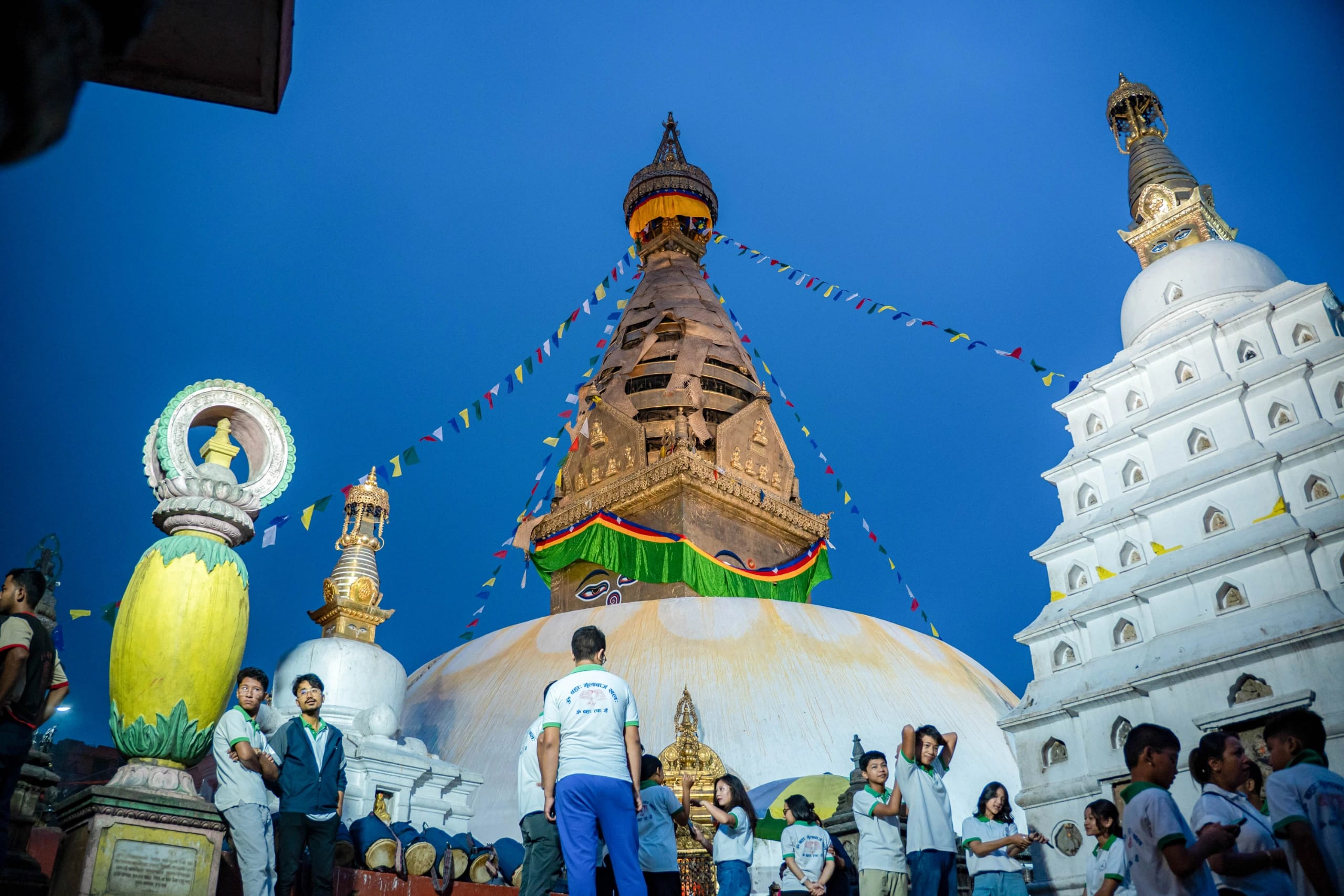
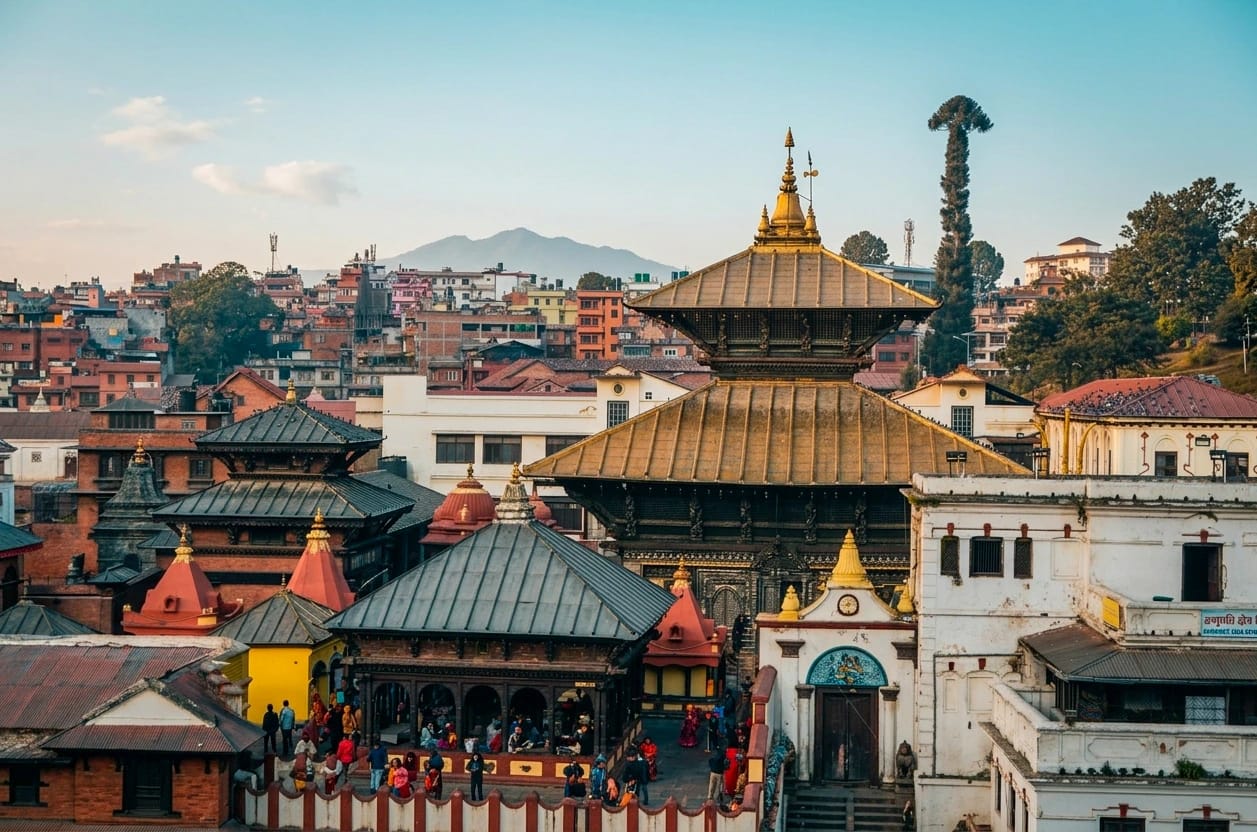
When most travelers arrive in the Kathmandu Valley, their minds drift to the stunning architecture of UNESCO World Heritage Sites - the temples, the carved windows, the vibrant colors of traditional prayer flags. And the valley rewards the, it is one of the most photographed places on earth for good reason.
But here is the secret the postcards never tell you: the most sacred thing in this valley isn't something you can photograph at all. Beyond the visual splendor of the Kathmandu Valley heritage, there lies an ancient, deeply guarded auditory heritage. At the center of this sonic landscape is the traditional music of the Newar community.
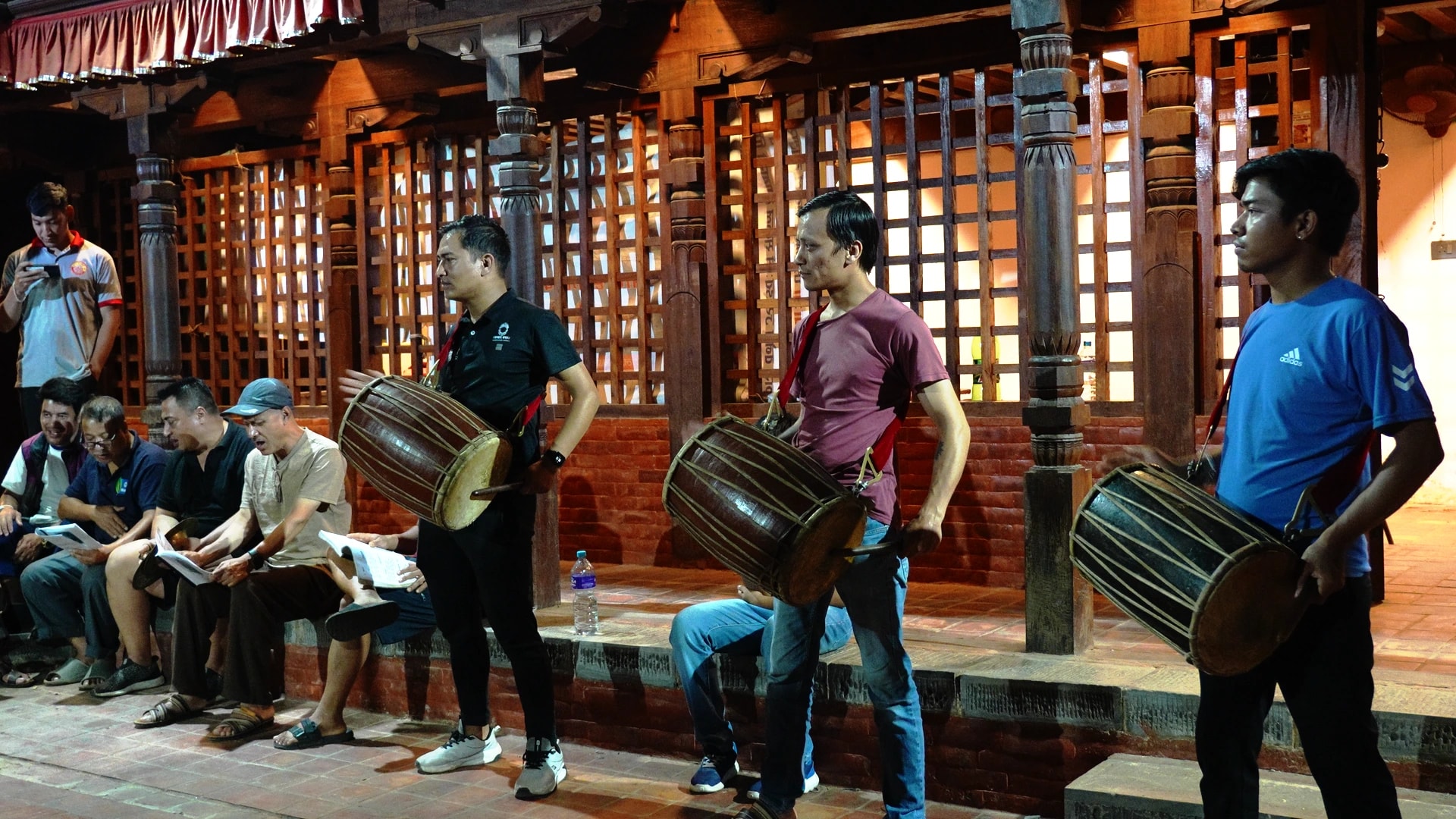
For centuries, the Newar communities of the Kathmandu Valley have preserved one of the world’s most extraordinary musical traditions - one that is inseparable for their spiritual life, their social architecture and their understanding of what the divine actually is. Walk into the old quarters of Kathmandu, Patan, or Bhaktapur - In the narrow, winding alleys of historic neighborhoods, a profound musical heritage continues to pulse. Suddenly, the quiet reverence shatters in the best way possible. A thunderous, syncopated rhythm erupts from a hidden courtyard. Cymbals crash, and the deep, chest-rattling boom of traditional drums echoes off the brick walls that have absorbed this sound for hundreds of years, immediately compelling your feet to tap along.
This isn't just background music - it's an immersive, full-body experience with a civilization that, centuries ago, made a choice almost no other culture made: to render its relationship with the divine audible. The Newar's - the indigenous people of this valley - did not simply build temples to their gods. They learned to celebrate them. And right now, quietly, that sound is being asked whether it can survive the modern world. This is the story of what is at stake when a city stops singing.
Worshipping the Divine Void: The Shrines of Nasa Dya
To understand why this valley sounds the way it does, you have to begin with a name: Nasa Dya. In the Newari language, Dya (sometimes written Dyah) simply means "God". Nasa Dya is the god of music, dance, and the performing arts.
Unlike other religious traditions with statues or paintings, this belief system honors the emptiness itself - the void becomes the vessel for divine presence. If you go looking for Nasa Dya, you won't find a statue. No painting, no golden idol, no serene carved face. You'll find a hole - a small, deliberate cavity set into a wall, often at the edge of a courtyard, easy to walk past a hundred times without noticing.
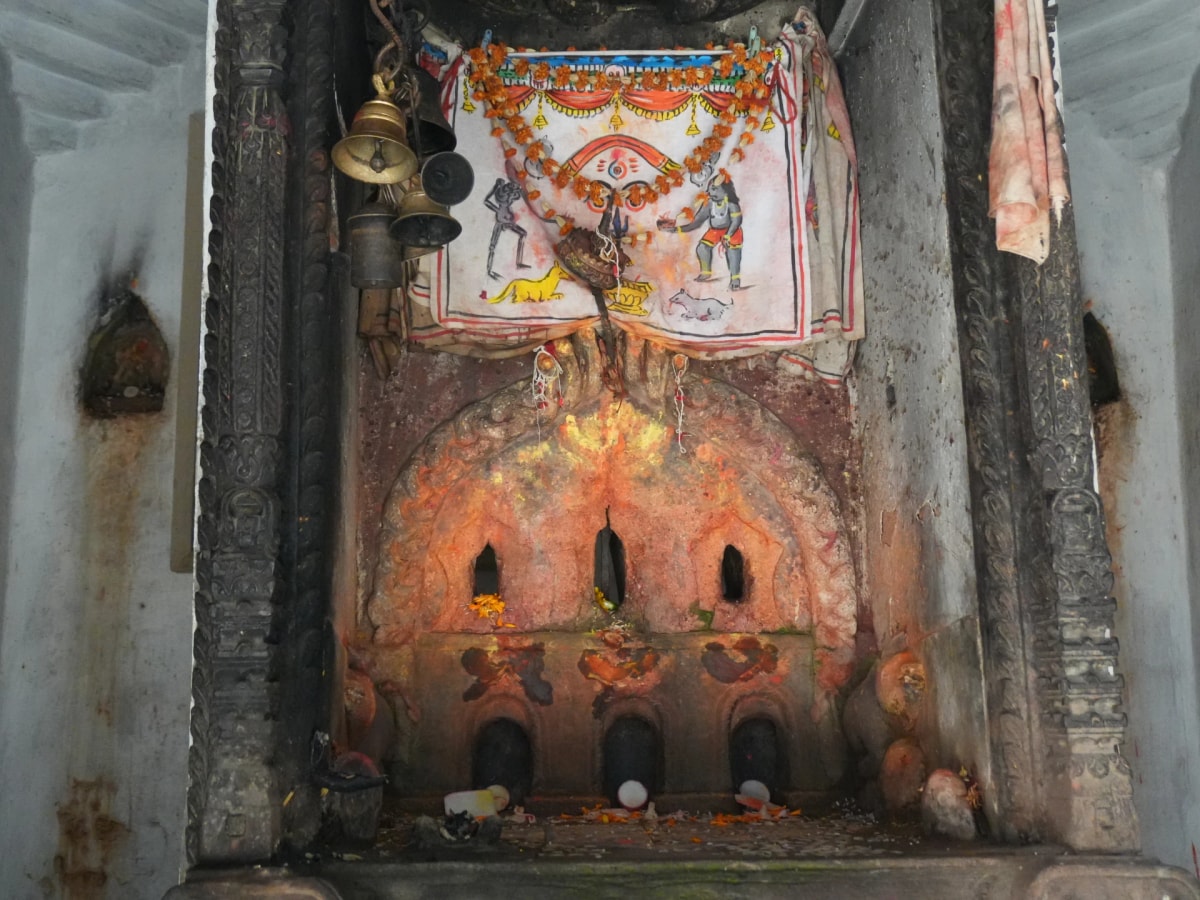
Locals describe these openings as channels - "flight lanes," some say pathways through which musical and divine energy can move freely through the neighbourhood. They are acoustic in the most literal sense (sound really does travel through them) and acoustic in a spiritual one too. Stitched together across the old quarters, these cavities form an invisible network: a map of sacred sound laid quietly over the map of brick and stone you can actually see.
The Myth of Bhimsen: When a Warrior Tried to Sing
According to local mythology, Bhimsen - the deity of commerce, trade & fortune, known for his strength, discipline, and power as a warrior - once decided to become a singer. It seemed reasonable. He was a deity, after all. He had conquered everything he had set his mind through sheer force of will. And, he thought, his determination and physical power would carry him. He approached Nasa Dya as a student. The deity accepted him and trained him earnestly, but little progress came.
One evening, while practicing in a field, a farmer heard him singing and mistook it for his lost sheep bleating. Picture Bhimsen - a massive, muscle-bound deity of war - puffing out his chest to belt out a melody, only for a bewildered local to genuinely believe a stray animal was crying for help!
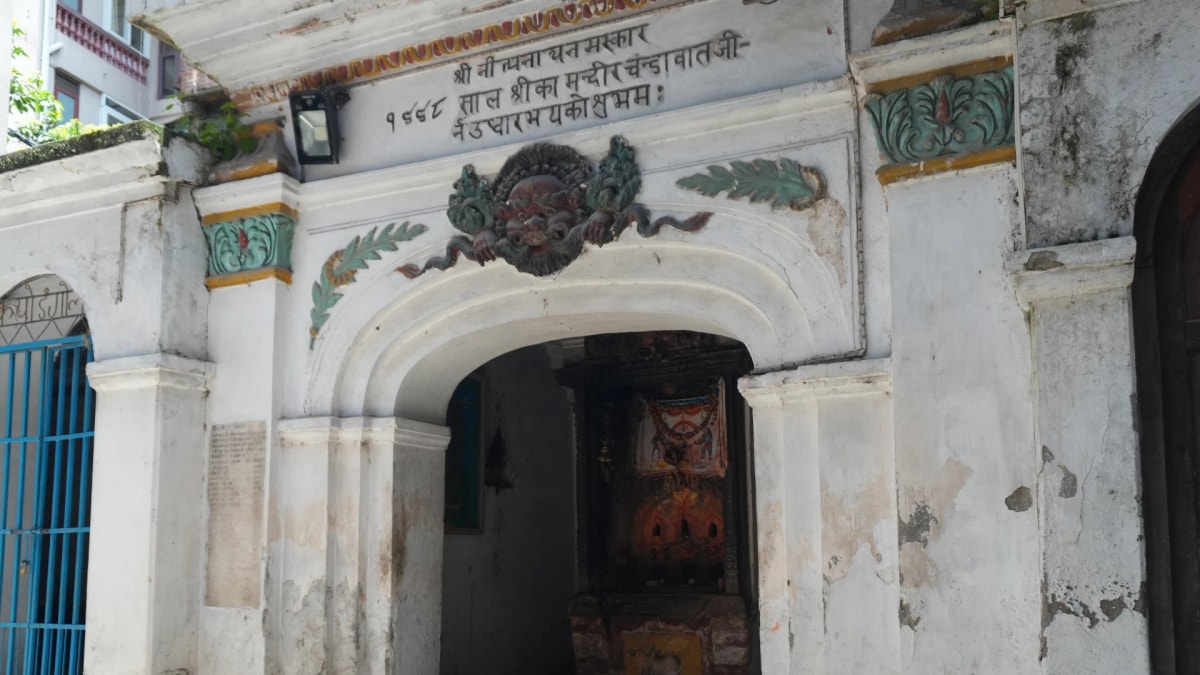
Humiliated, Bhimsen blamed his teacher instead of accepting the truth - he lacked the sensitivity and intelligence that music demands. His anger grew so fierce that he vowed to kill the god. But Nasa Dya simply withdrew to the sacred cavity, unreachable to those not truly devoted. The god did not punish him; he simply removed himself from those unprepared to learn.
In today’s time, learners carry this philosophy forward; it isn't mere tradition or ceremony. It's a declaration that music is sacred art beyond one's hobby or career path - a spiritual journey. The blessing of the god is sought before the first lesson, the first practice, sometimes even before picking up an instrument for the first time. According to a local music practitioner Sarvagya Shakya who grew up watching the tradition from the edges of the courtyard before he was old enough to hold an instrument.
“ Learning in this tradition is a complete cycle - it begins under the guidance of Nasa Dya and concludes in his presence, creating a full circle of the musical and spiritual journey."
Guthi: The Secret Social Architecture Behind the Music
Here's the assumption most visitors arrive with: that this music is a performance - something a talented few rehearse and put on, like a show you can buy a ticket to. Spend any real time here and that assumption falls apart.
This music isn't owned by performers. It's run by a system and also to truly understand why Newari music has survived centuries of political upheaval, modernization, and cultural pressures, a traveler must understand the "Guthi" system. Guthi are traditional Newari social institutions - self-governing community organized around caste, neighborhood, and purpose. And, they are the invisible backbone of musical preservation.
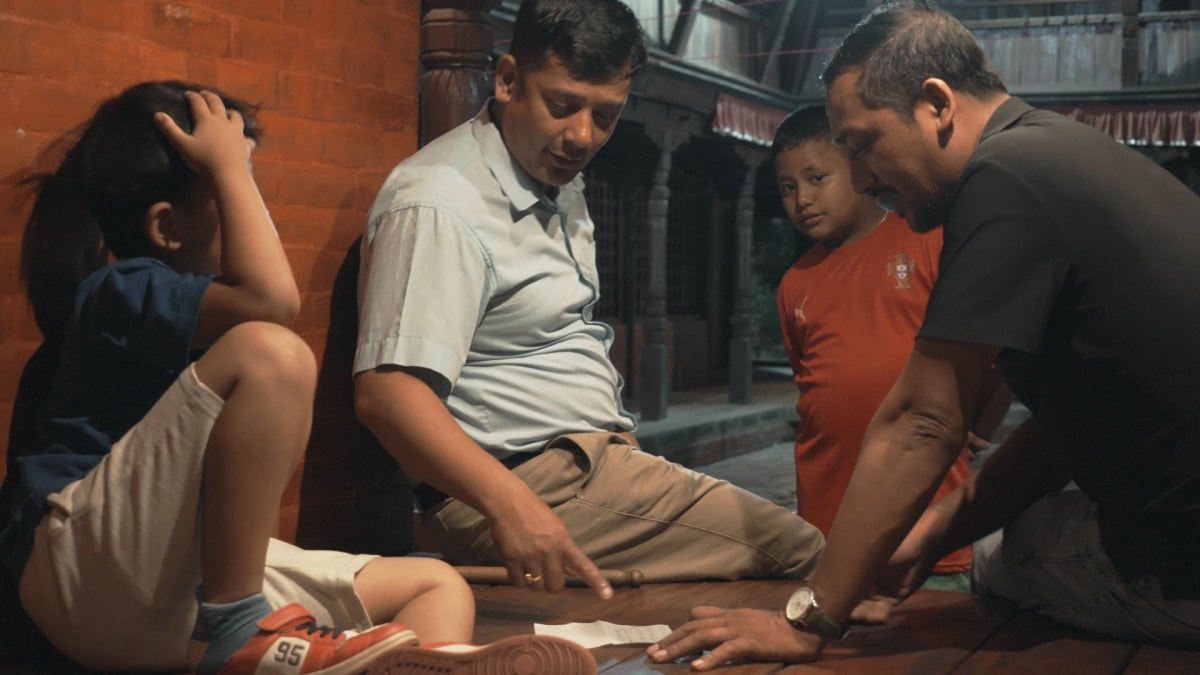
Every major musical ensemble in Kathmandu Valley is tied to a guthi. Membership is inherited, not chosen. Young men grow up watching their fathers and uncles play, absorbing rhythm and repertoire through observation long before they ever touch an instrument. The guthi funds instruments, repairs them, organizes rehearsals, and ensures that trained musicians are available for every ritual occasion throughout the year.
This communal ownership of music means no single individual can claim authority or abandon the tradition. Music belongs to the group, to the ancestors, and ultimately to the god. It is simultaneously the most democratic and the most sacred art form imaginable - owned by everyone, commercialized by no one.
The Threat & The Promise: Can Ancient Music Survive Modern Kathmandu?
It would be dishonest to tell you all of this is thriving with no shadow over it. The guthi system, the sacred sonic architecture of the valley, and the devotional practice of generations are all under quiet pressure.
For centuries, the system held because the conditions held. Families stayed in ancestral neighbourhoods. Courtyards gave the music both its acoustics and its stage. The obligations of the guthi were simply part of being born where you were born.
However, abroad migration has drawn younger Nepalese away from ancestral neighborhoods and the communal obligations that sustained musical lineages. High-rise construction has replaced some of the courtyard architecture that gave traditional music its acoustic and ceremonial home. Global pop culture competes with dhimay drums for the attention of teenagers in clubs and bar.
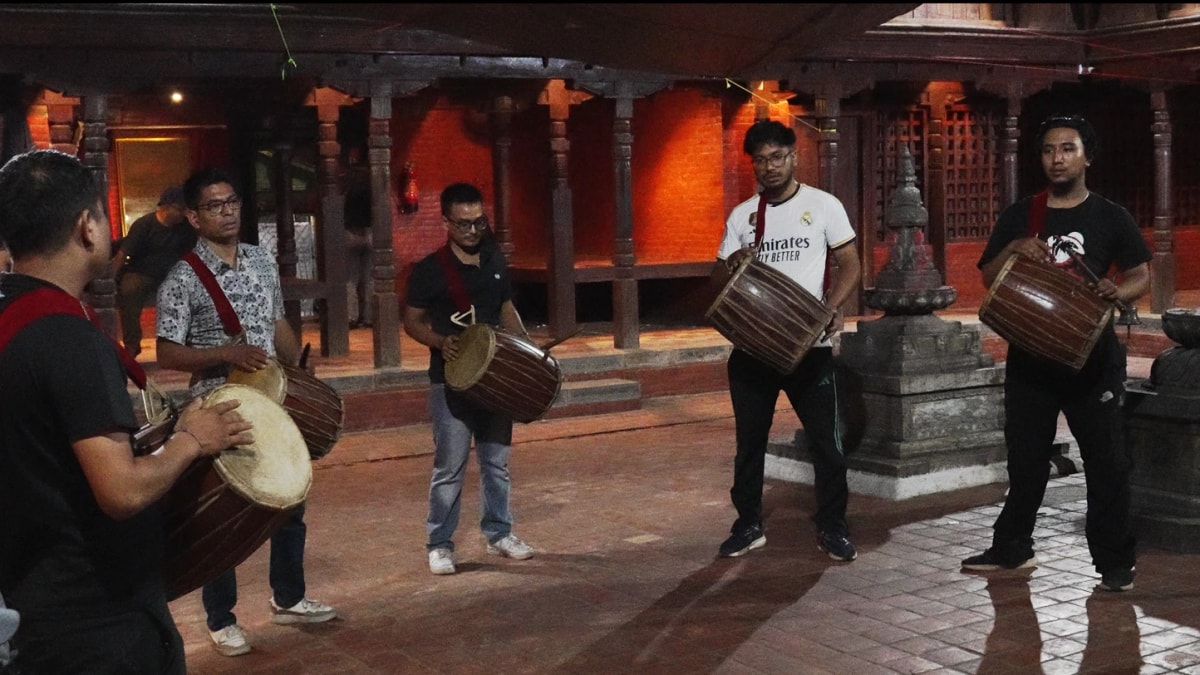
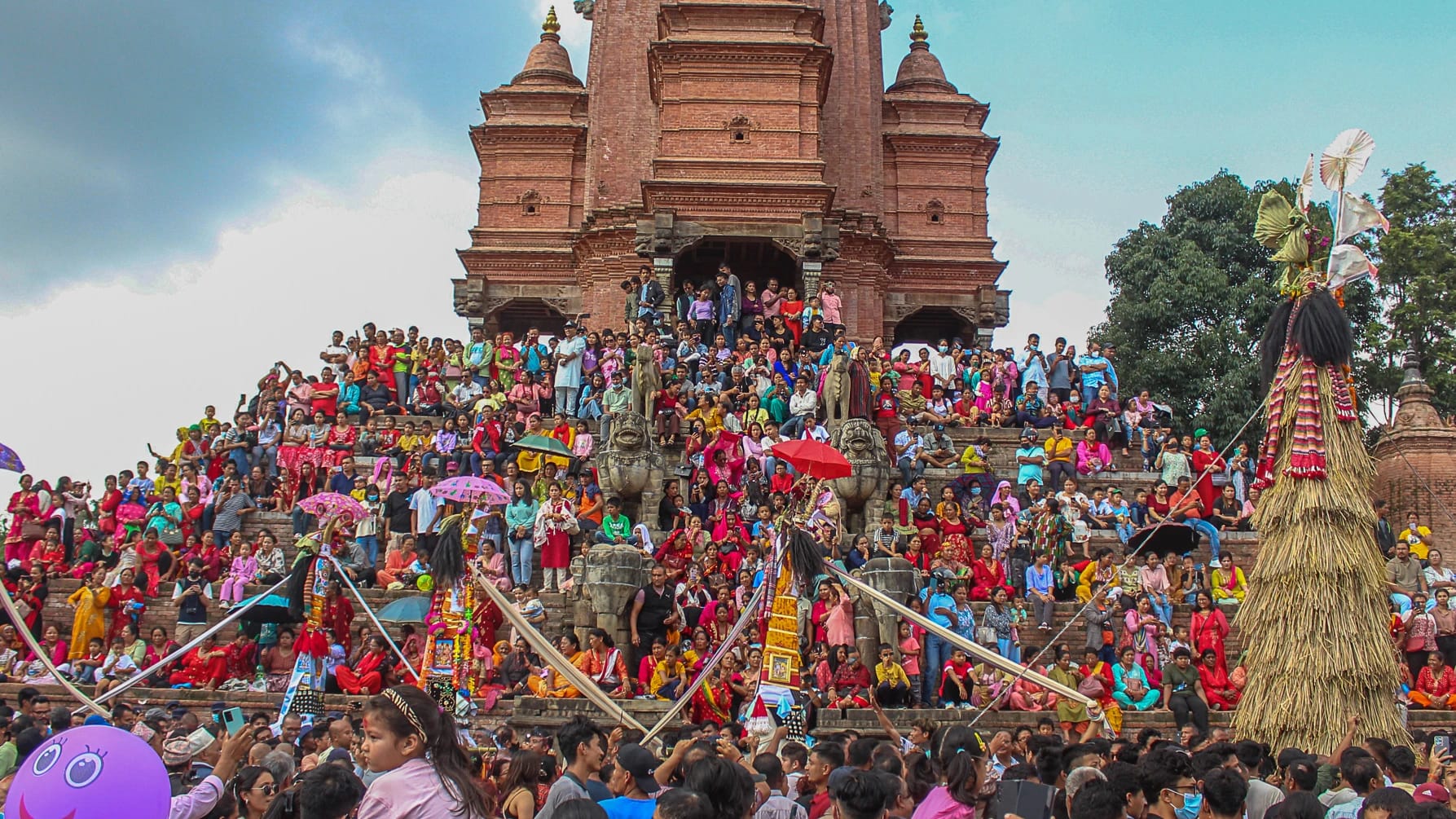
And yet - the tradition endures, and in some quarters, it is actively strengthening. A new generation of practitioners, many of them educated professionals, are consciously choosing to return to traditional instruments not out of obligation but out of identity. Digital platforms have allowed Newari musicians to document, share, and even teach their traditions across borders. Cultural festivals have grown in ambition and attendance.
The music of Kathmandu Valley is not a museum piece. It is a living heritage - made in rhythm and resonance - that some things are worth preserving not because they are old, but because they are true.
Why the Valley Still Celebrates: The Living Tradition of Newari Music
To a traveler passing through, the cymbals crash and thunder spilling out of a courtyard can look like entertainment - a bit of local flavor, a good clip for the feed. To the people playing it, it is nothing of the sort. It is emotion embedded into identity, a legacy handed down from ancestors and carried forward with genuine reverence. It is not a thing they do, it is a thing they are.
If you want to understand what that devotion feels like from the inside, listen to Dr. Prasen Shrestha - a veterinarian by profession, and a traditional music practitioner by both inheritance and choice.
"As a traditional music practitioner, my first encounter with Damokhin baja during the Matya festival awakened a profound sense of belonging to my ancestral lineage. Though our hands would swell from practice, we never abandoned our commitment to mastering this sacred craft. Playing Damokhin baja is a devotional act - when we honour the deities through this instrument, we experience a majestic spiritual resonance, a direct communion with the divine. Every Thursday, we gather to worship Nasa Dya, and in those moments, music, spirituality, and community converge into something profoundly meaningful."
— Dr. Prasen Shrestha
This is the part the postcards will never carry home for you. The Kathmandu Valley's truest hymn is a hidden one - kept in the holes in its walls, in rhythms no one ever signed, in the swollen hands of people who keep showing up on a Thursday because deity is waiting. It is one of the last places on earth where music is still treated not as a product to be sold but as a deity to be served.
That is why it matters - and not because it is old. Plenty of old things fade away, but this one endures because it is true: a living heritage, made in rhythm and resonance, that some things are worth keeping for no other reason than that. You can read about it from anywhere in the world. But you can only really hear it here - in these winding alleys, in these ancient courtyards, in a valley that decided, long ago, that the divine should have a sound.
Come and listen. That is the whole invitation.