
Best Time To Visit Kathmandu, Nepal: A Season-by-Season Guide 2026
Hidden Hymn
Author
Hidden Hymn writes for Hidden Hymn — long-form stories from the world's quietest corners.
September 7, 2026 · 7 min read
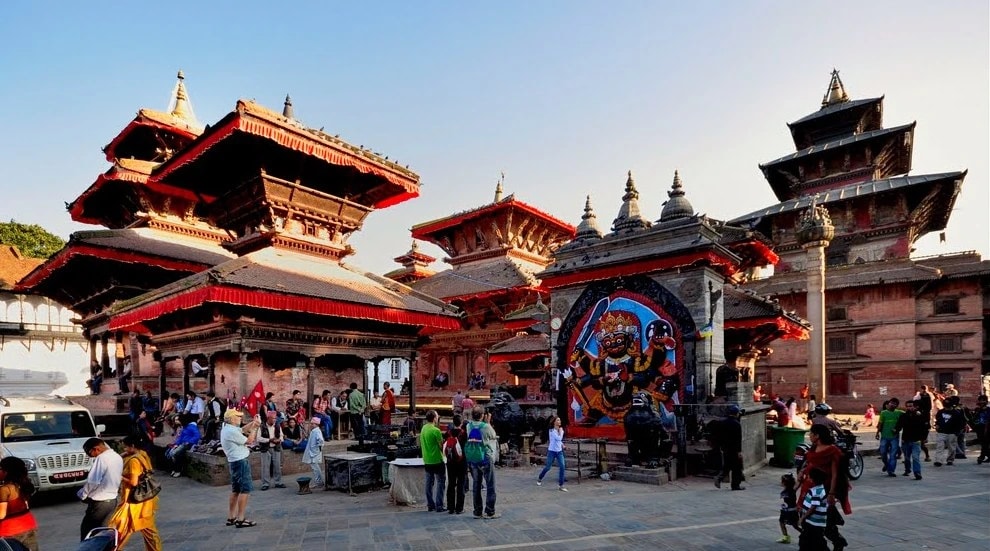
Kathmandu sits in a bowl of hills. The same ring of mountains that gives the city its skyline also traps its air, so the season decides not just how comfortable you are but how much you can actually see whether the Himalaya stand clear above Nagarkot or vanish into haze, and whether the walk between Durbar Square and Asan is a pleasure or a lungful of dust. This season-by-season guide breaks down Kathmandu's weather, crowds, air and festivals, so you can pick the right months.
Autumn - Best Time (late September–early December)
The clearest and most comfortable stretch of the year, and the reason Nepal's tourism calendar is built the way it is. The monsoon washes the valley clean on its way out, the mountains return to the skyline, and the city moves straight into its biggest festival season. Everything is open, everything is beautiful.
-
Weather: Dry and bright, roughly 11–25°C with October highs near 26°C and lows around 14°C rainfall collapses, with about a 9% chance of significant rain on a given October day and effectively none in November
-
Crowds: High and peak season
-
Best for: First-time visitors, photography, Himalayan views from Nagarkot and Chandragiri, and anyone pairing the city with a trek and tour.
-
The catch: Full hotels and peak rates during the middle days of Dashain many shops and restaurants close for several days as families leave the city
-
Festivals: Indra Jatra (late August or September, eight days centred on Durbar Square), Dashain (fifteen days in October, with Taleju opening on Maha Navami), Tihar (five nights in late October or November), Chhath in the Terai
Planning tip: Book flights and rooms several weeks ahead, particularly for October, and schedule your heritage sightseeing for the days between Dashain and Tihar the shuttered shops reopen, the crowds thin briefly, and the whole city relights for the festival of lights. Save one clear morning for Chandragiri or Nagarkot, autumn is the only season that reliably delivers the mountains.
Winter - Best for clear air and empty heritage sites (December–February)
Kathmandu at its quietest and, on a good morning, its sharpest. Crowds thin, rates soften, and the still, dry air can serve up mountain views that beat anything spring offers. The trade-offs are the cold and the fog: dawns settle grey across the valley and usually burn off by mid-morning, and older guesthouses were not built with heating in mind.
-
Weather: Cold and dry roughly 2–18°C, January the coldest · morning fog, clearing by mid-morning · snow in the city itself is exceptional
-
Crowds: Low and the best rates of the year and short queues at every heritage site
-
Best for: Budget travelers, photographers, unhurried heritage walking, and mountain flights, which are excellent in the low-precipitation months
-
The catch: Cold mornings and evenings, limited heating in older guesthouses, and a winter temperature inversion that traps pollution over the valley for days at a time
-
Festivals: Losar and Maghe Sankranti fall in this window; Maha Shivaratri in late February or March draws several hundred thousand pilgrims and thousands of sadhus to Pashupatinath, the single biggest religious gathering of the Kathmandu year
Planning tip: Let the fog clear before you set out late morning to late afternoon gives you the warmest, brightest hours, and the heritage sites are empty enough that a slower start costs you nothing. Confirm your guesthouse has heating or extra bedding before booking, and if a mountain flight is on your list, this is the season to take it.
Spring - Great for festivals and trekking, worst for air (March–May)
Spring reopens the valley after the cold, and it is the second peak for good reasons - warm days, a full festival calendar and the start of the trekking season. But it comes with Kathmandu's least discussed problem. Dust and traffic fumes peak from March to May, and this is when valley air quality is at its worst - a real consideration if you are asthmatic, travelling with children, or hoping to see the Himalaya at all by late spring.
-
Weather: Mild and warming · roughly 15–25°C in March and April, climbing into the high twenties and beyond by late May · very little rain until the pre-monsoon storms begin
-
Crowds: Moderate to high busy, but noticeably less so than October, and rates sit below autumn levels
-
Best for: Trekking, mild-weather sightseeing, shoulder-season value, and rhododendron season in the surrounding hills
-
The catch: The dirtiest air of the year, building heat, and haze that steadily erodes the mountain views through April and May
-
Festivals: Holi in March, with the burning of Holika; Seto Machhindranath Jatra, which brings a chariot through the old city; Nepali New Year in mid-April; Buddha Jayanti in May
Planning tip: Come in March rather than May if the mountains matter to you. The difference in visibility across those three months is dramatic. Check the day's air quality index before committing to a long walking route through the old city, and treat spring as a season to use Kathmandu as a trek base rather than a viewing platform.
Monsoon (June–August)
The monsoon turns the valley green and empties it of visitors. Rain here tends to fall in short heavy bursts, often overnight, rather than washing out whole days - but it is enough to flood streets and markets, and the Himalaya stays behind clouds for weeks. It is the cheapest and quietest season, and thanks to a run of atmospheric Newar festivals, not one to write off.
-
Weather: Hot and humid roughly 19–29°C with frequent heavy downpours, often overnight and high humidity throughout
-
Crowds: Lowest and the cheapest window of the year, though monsoon arrivals have been climbing as travelers chase quieter, cheaper trips
-
Best for: Photographers after saturated colour, valley-focused cultural trips, and anyone who wants Durbar Square, Boudhanath and Pashupatinath without the crowds
-
The catch: Street flooding and mud, flight and road disruption, landslide risk on the highways out of the valley, and rising dengue risk during and after the rains
-
Festivals: Gai Jatra in August, the Newar festival of remembrance and satire, with Lakhe dancing and cow processions; Janai Purnima and Krishna Janmashtami; and Gunla, the Buddhist holy month
Planning tip: Plan a valley-only itinerary and keep sightseeing to the mornings before the rain builds. Carry a compact umbrella and quick-dry shoes, use mosquito repellent seriously rather than casually, and leave a buffer day either side of any domestic flight.
Best time to visit Kathmandu
-
Mountain views and photography: October–November for reliable clarity; clear winter mornings (Dec–Jan) can be sharper still.
-
Festivals and Newar culture: Autumn, for Indra Jatra, Dashain and Tihar; late February for Maha Shivaratri at Pashupatinath.
-
Clean air: October–November, immediately after the monsoon.
-
Fewer crowds and lower prices: Winter (Dec–Feb) and the monsoon (Jun–Aug).
-
Comfortable all-day sightseeing: October, and March into early April.
-
Pairing Kathmandu with a trek or Pokhara: October–November and March–April, when the wider region is at its driest.
When to avoid Kathmandu
-
Peak monsoon (July–August): If sightseeing is the priority flooding and mud repeatedly interrupt walking routes, and the mountains stay hidden.
-
Core Dashain days (mid-October): If you want the city fully open many shops, restaurants and services close for several days as families gather, and Kathmandu empties out.
-
Late spring (May): If air quality or mountain views matter - the weather is warm and mostly dry, but this is the haziest, dustiest stretch of the year and the heat is building.
A note on festival dates
Nepal's festivals follow lunar calendars the Bikram Sambat calendar for national Hindu festivals, and the Nepal Sambat calendar for Newar celebrations such as Indra Jatra and Gai Jatra so their Gregorian dates shift by several weeks from year to year, and some are confirmed only a week or two in advance. The 2026 windows given here are the best available at the time of writing; confirm exact days against the Nepal Tourism Board calendar or local sources before you book flights or lock in an itinerary.